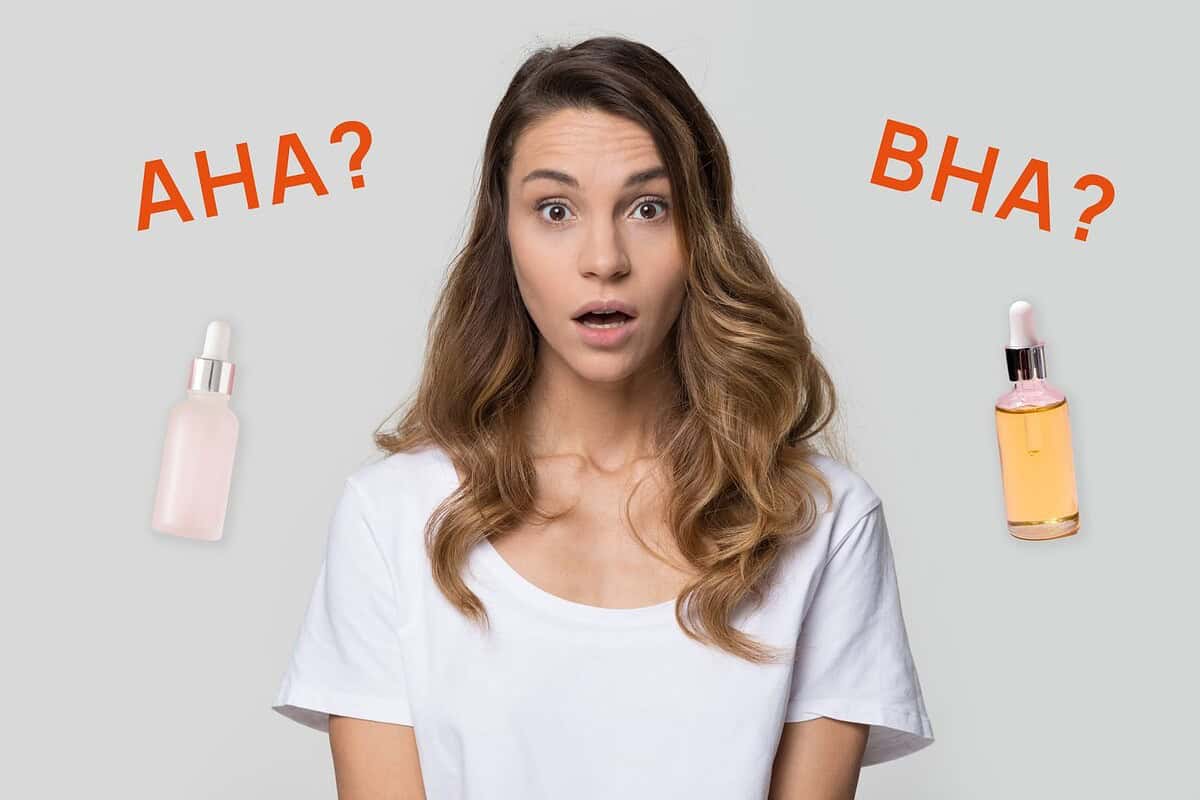
If you’ve ever wondered what AHA and BHA do for skin, the difference is simpler than it seems once you break it down. If you’ve ever browsed the skincare aisle, you’ve likely been bombarded with a confusing alphabet of ingredients. Vitamin C, SPF, and a whole host of acids promise to transform your complexion. Among the most popular and effective are two acronyms you’ll see everywhere: AHA and BHA. Both are chemical exfoliants celebrated for their ability to deliver a serious glow, but they work in very different ways and target different concerns.
So, what’s the real difference, and which one is right for you? It can feel like a complex chemistry lesson, but it’s actually quite simple once you understand the basics.
The shopping links may be affiliate links, which means we earn a small commission at no extra cost to you. We only recommend products we truly believe in to support your skincare journey. If you’d like to support us, please shop through the links on this page. Thank you so much! with 💚from Yuhee (founder) and the OEB team xx
Chemical Exfoliation: A Quick Refresher
First, what is a chemical exfoliant? Unlike a physical scrub that uses grains or beads to slough off dead skin manually, a chemical exfoliant uses acids to gently dissolve the “glue” that holds dead skin cells together. This allows them to shed naturally, revealing the fresher, brighter skin underneath. It’s a far more effective and gentle approach for achieving a smooth, even-toned complexion without the risk of causing micro-tears from harsh scrubbing. AHA and BHA are the two main families of these clever exfoliants.
Meet AHA: The Surface-Smoothing Superstar
AHA stands for Alpha Hydroxy Acid. The most important thing to know about AHAs is that they are water-soluble. This means they work on the surface of your skin.
Think of your skin as a tiled floor. AHAs are like a surface polisher, expertly buffing the top of the tiles to remove water-based stains, scuffs, and dullness, leaving them smooth and gleaming. Because they work on the surface, they are fantastic for addressing concerns related to texture and tone.
The main AHA and BHA benefits for the skin start here, with AHA tackling surface-level issues. Common types include Glycolic Acid (the most powerful, with the smallest molecule size) and Lactic Acid (gentler and more hydrating).
What Do AHAs Do?
- Brighten Dull Skin: By removing the buildup of dead skin cells, AHAs reveal a more radiant, luminous complexion.
- Smooth Fine Lines and Texture: They help to soften the look of fine lines and smooth out rough or bumpy skin.
- Fade Hyperpigmentation: AHAs are excellent at reducing the appearance of sun spots, dark marks, and uneven skin tone.
- Boost Hydration: A surprising benefit! Many AHAs are also humectants, meaning they help your skin attract and hold onto moisture.
AHA or BHA for Mature Skin: Which is Better?
For mature skin, AHA is almost always the winner due to its hydrating properties. Its water-soluble nature and humectant benefits not only exfoliate but also help skin retain moisture. AHAs (like glycolic or lactic acid) work on the skin’s surface to gently lift away dead cells, smoothing rough texture, boosting radiance, and improving overall hydration — all of which are especially important as mature skin often struggles with dryness and slower cell turnover.
BHA, on the other hand, penetrates into pores and is fantastic for oily, acne-prone skin, but it can feel too drying or harsh for mature or already-dehydrated complexions.
💡 For those with very sensitive and mature skin, gentle enzyme-based exfoliants might be a better choice. They provide softer exfoliation while supporting your skin barrier. Always pair exfoliation with barrier-strengthening ingredients (such as ceramides, panthenol, or centella) to keep skin resilient. Want to see what we recommend? Check out our earlier post “Should You Exfoliate Your Face Every Day?” HERE.
💚 Yuhee’s Top Picks with AHA:
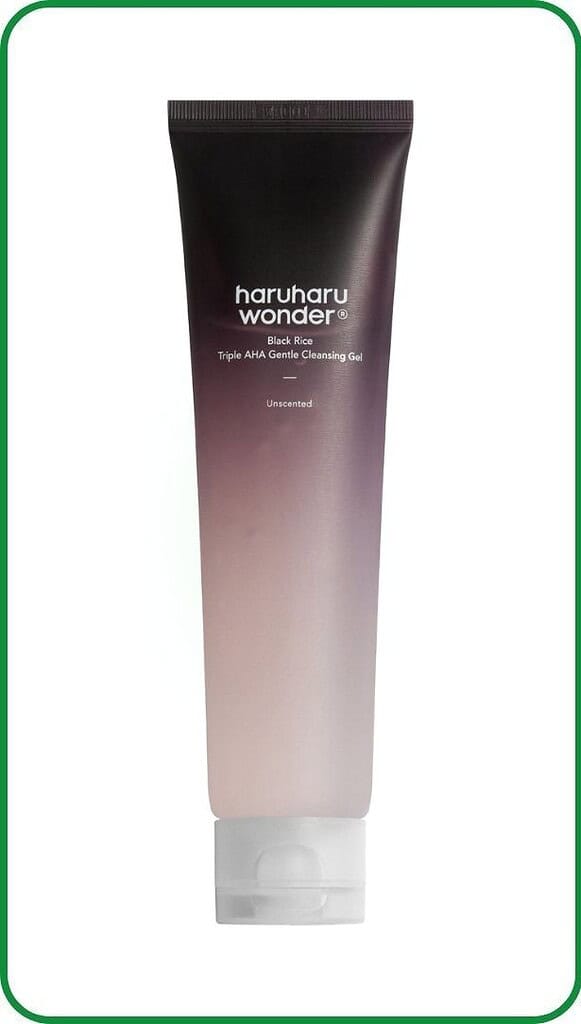
Haruharu wonder
Black Rice Triple AHA Gentle Cleansing Gel
This is the perfect daily cleanser for achieving a brighter, smoother complexion. It combines a Triple AHA Complex to gently dissolve dead skin cells with antioxidant-rich Black Rice Extract to hydrate and protect. The soft gel formula cleanses thoroughly without stripping, making it an ideal choice for a clear, radiant glow.
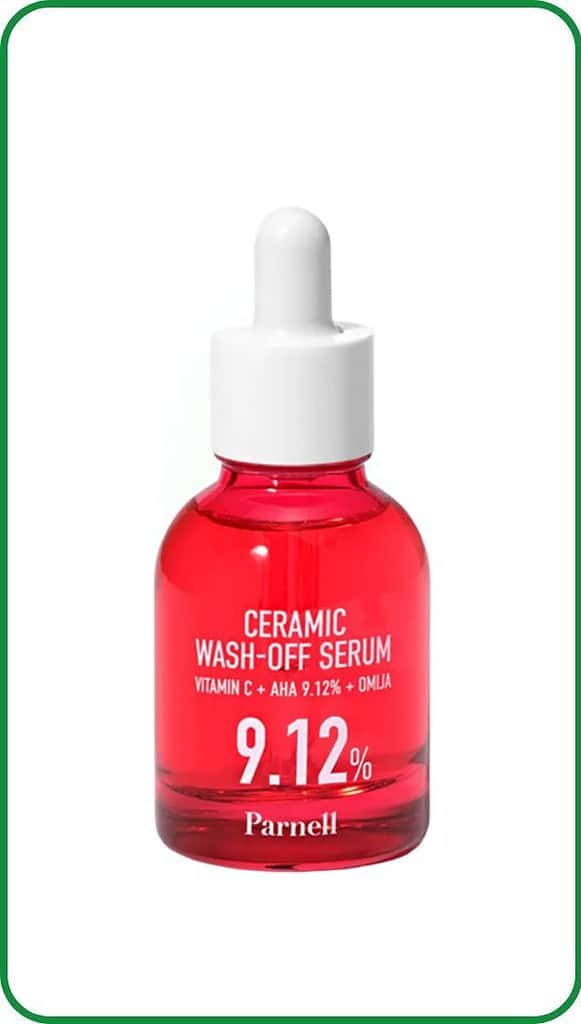
Parnell
AHA 9.12 Ceramic Wash-off Serum
Think of this as an express facial treatment in a bottle. This unique wash-off serum delivers a potent 9.12% AHA Complex to effectively exfoliate, control excess oil, and visibly clarify pores. It’s the perfect weekly reset for combination skin to achieve a smoother, more refined texture.
Meet BHA: The Pore-Clearing Pro
BHA stands for Beta Hydroxy Acid. Its superpower is that it is oil-soluble. This is the key difference that answers the question of what do AHA and BHA do for skin in their unique ways.
Going back to our floor analogy, if AHA polishes the surface, BHA is the deep cleaner that gets into the oily grout between the tiles. Because it can dissolve in oil, it can travel past the sebum on your skin and get deep inside your pores to clear out congestion. The most common and well-known BHA is Salicylic Acid.
What Do BHAs Do?
- Unclog Pores: BHA is the gold standard for clearing out blackheads, whiteheads, and general pore congestion.
- Fight Acne and Breakouts: By keeping pores clear, BHA helps to prevent pimples from forming.
- Calm Inflammation: BHA has natural anti-inflammatory and antibacterial properties (it’s chemically related to aspirin!), which help to reduce the redness and swelling associated with breakouts.
💚 Yuhee’s Top Picks with BHA:
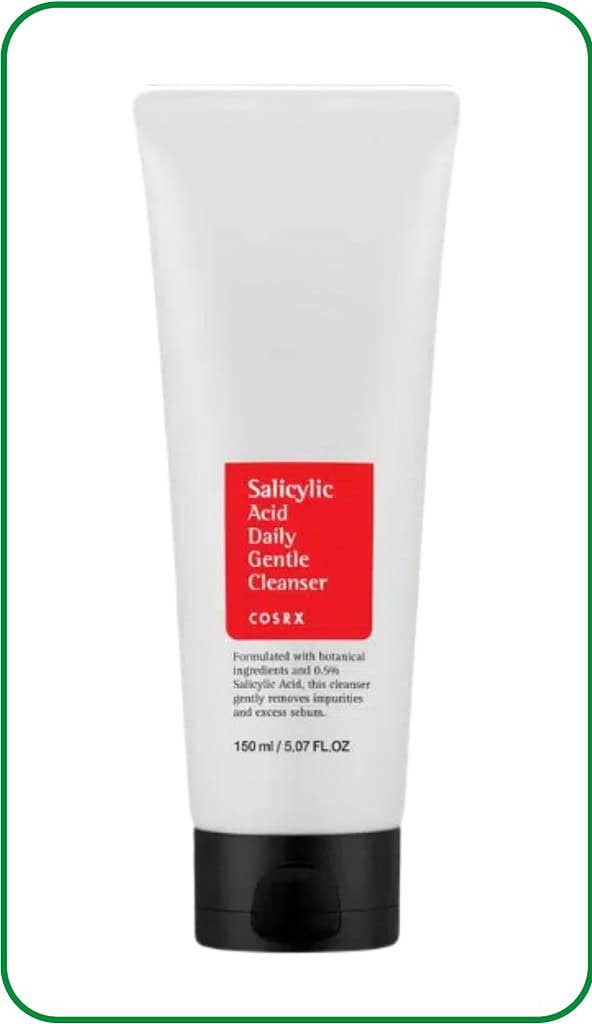
COSRX
Salicylic Acid Daily Gentle Cleanser
A true cult classic for a reason, this cleanser is a reliable go-to for keeping breakouts and blackheads at bay. It uses Salicylic Acid (BHA) to exfoliate deep inside the pores, clearing out excess sebum and impurities that can lead to acne. While powerful, the creamy foam formula is designed to be gentle enough for daily use, making it a staple for maintaining clear, balanced skin.
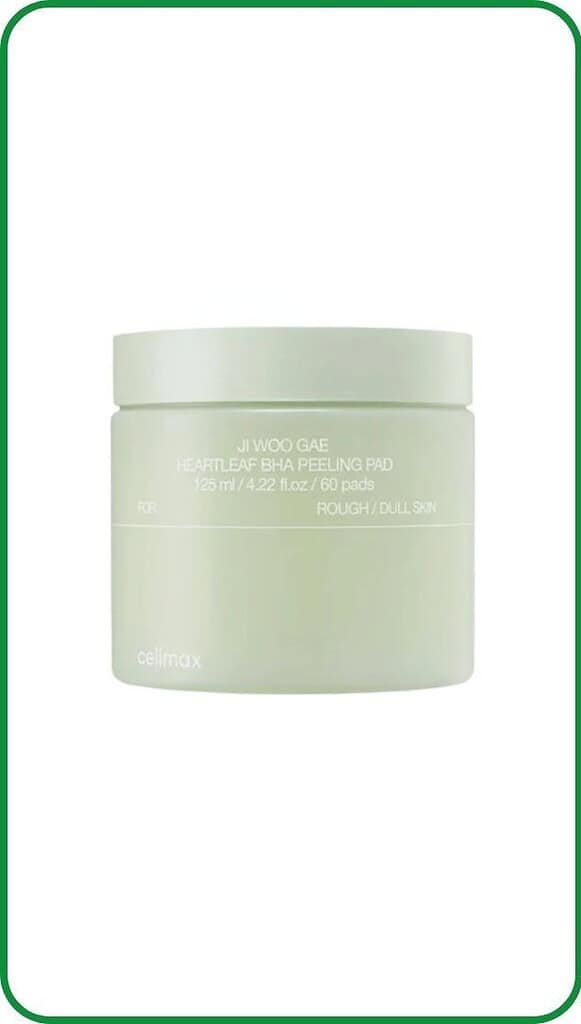
Celimax
Jiwoogae Heartleaf BHA Peeling Pad
These dual-sided toner pads are like an “eraser” for congested skin. One side is embossed to gently buff away dead skin cells, while the other is smooth, allowing for hydration and soothing effects. Infused with both BHA to dissolve oil and clear out pores and calming heartleaf extract to reduce irritation, they offer a quick and effective way to achieve a smoother, clearer complexion.
The Big Question: AHA vs BHA for Skin
So, how do you choose? The AHA vs BHA for skin debate comes down to your primary skin concerns. While both are exfoliants, they have different specialties.
Quick Comparison: AHA vs BHA for Skin
| Concern | Best Choice | Why |
| Dullness, dark spots, dryness | AHA | Hydrates + resurfaces surface skin |
| Rough texture & fine lines | AHA | Smooths + brightens |
| Blackheads, acne, oily skin | BHA | Oil-soluble, clears deep in pores |
| Acne-related redness & swelling | BHA | Anti-inflammatory (aspirin-related) properties calm breakouts |
| General skin sensitivity / rosacea | Neither acid | Opt for soothing ingredients (like centella or azetaic acid) instead |
Choose AHA if your main concerns are on the surface of your skin, such as:
- Dullness and lack of glow
- Sun damage, dark spots, or hyperpigmentation
- Rough texture
- Fine lines
- Dryness and dehydration
Choose BHA if your main concerns are related to oil and congestion, such as:
- Clogged pores, blackheads, and whiteheads
- Acne and frequent breakouts
- Oily skin
- Redness and inflammation linked to breakouts (not rosacea or sensitivity)
Yuhee’s Top Pick with AHA + BHA:
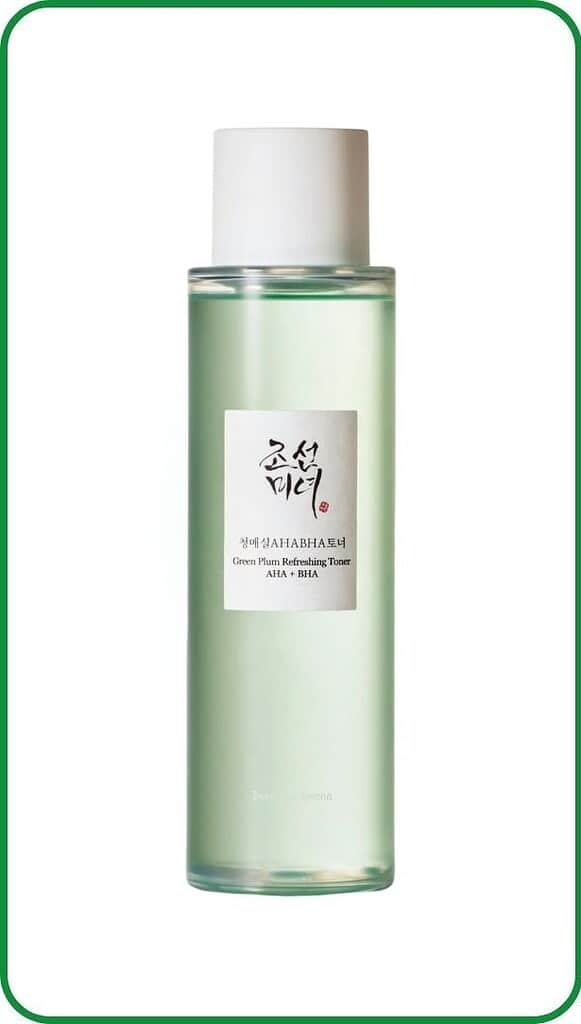
Beauty of Joseon
Green Plum Refreshing Toner
Perfect for those who want to benefit from both AHA and BHA without the guesswork. This daily toner is the ideal solution if you’re dealing with surface dullness and clogged pores at the same time. It uses a gentle 2% Glycolic Acid (AHA) to buff away dead skin for a brighter glow, and 0.5% Salicylic Acid (BHA) to keep pores clear, all in a soothing, non-stripping base of Green Plum Water.
How to Use Acids in Your Routine Safely
Adding a chemical exfoliant to your routine is a game-changer, but it’s important to do it right to avoid irritation.
1. Start Low and Slow: Begin with a product that has a low concentration of the acid. Use it only 1-2 times per week at first to see how your skin reacts, and you can gradually increase the frequency.
2. Apply at Night: Most acids are best used in your nighttime routine, as they can make your skin more sensitive to the sun.
3. Sunscreen is Non-Negotiable: This is the most important rule. Using acids without following up with a broad-spectrum sunscreen of at least SPF 30 the next morning is a recipe for more sun damage.
Your Path to Glowing Skin
Understanding the AHA and BHA benefits for skin allows you to choose the right tool for the job. Think of AHA as your go-to for surface renewal, brightness, and a radiant glow, while BHA is your specialist for deep-cleaning pores and keeping breakouts at bay. By choosing the acid that targets your specific concerns and introducing it carefully, you’ll unlock one of the most effective secrets to a smooth, clear, and healthy complexion.
Product links lead to YesStyle and Olive Young Global
Extra 2 – 5% off at YesStyle using the code 👉 YUHEE10
Get 5% off at Olive Young Global with our code 👉 OEB10OY