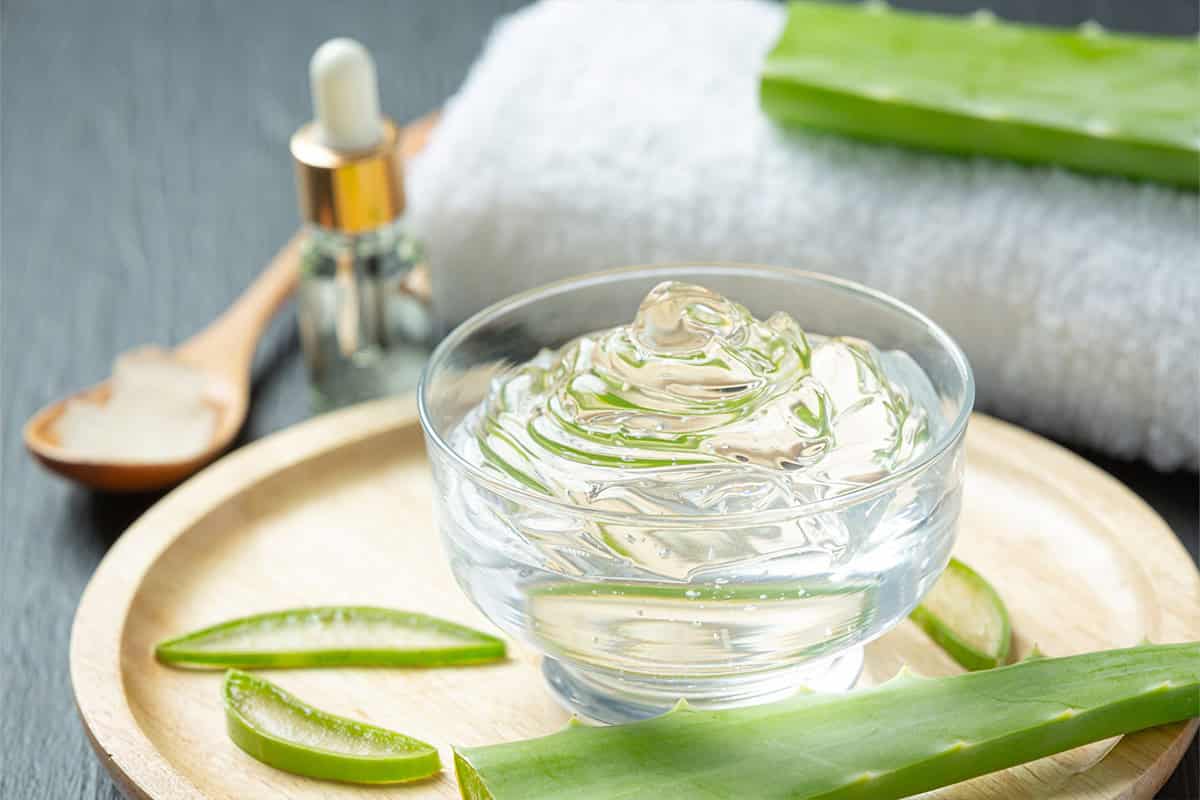
Summer can be harsh on your skin. The sun, heat, and humidity often leave it feeling irritated, red, or just plain tired. That’s when soothing skincare ingredients like aloe vera and cica come to the rescue! But when it comes to aloe vera vs cica for summer skin, which one should you trust to calm and refresh your summer skin? Let’s explore the benefits of both and figure out which might be the right fit for you.
The shopping links may be affiliate links, which means we earn a small commission at no extra cost to you. We only recommend products we truly believe in to support your skincare journey. If you’d like to support us, please shop through the links on this page. Thank you so much! with 💚from Yuhee (founder) and the OEB team xx
The Magic of Aloe Vera
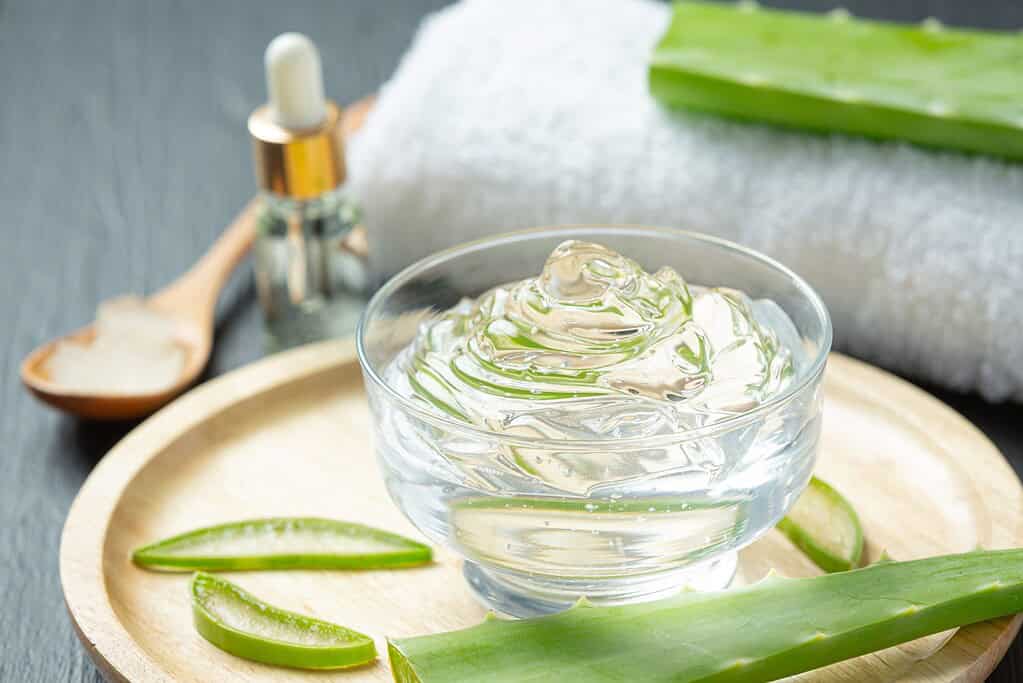
Aloe vera has been a summer skincare staple for decades. Known for its cooling and hydrating properties, this clear gel is rich in vitamins, minerals, and antioxidants that provide your skin with the nourishment it needs. When your skin is sunburned or feels tight after a day outdoors, aloe vera delivers instant relief. Its gel-like texture cools the surface of your skin, reduces redness, and helps restore lost moisture.
One of aloe vera’s biggest strengths? It’s lightweight, non-comedogenic, meaning it won’t clog your pores, and absorbs quickly, leaving no sticky residue even on sweaty summer days. Whether your skin is oily, dry, or somewhere in between, aloe vera is a versatile hydrator that leaves no sticky residue. If your goal is soothing irritated skin right after sun exposure, aloe vera is a reliable choice that feels refreshing and effortless.

The Wonders of Cica
While aloe vera is all about instant hydration and helps cool the skin on contact, cica (short for Centella Asiatica) focuses on repair and resilience. If you’re wondering what does cica do for your skin, the answer is simple: it helps your skin heal and strengthens its natural barrier. Cica is rich in asiaticoside and madecassoside, plant compounds which have anti-inflammatory and collagen-boosting properties. These support skin elasticity, calm redness, and speed up healing making cica ideal for sensitive, reactive, or mature skin.
Known as a “tiger grass” in Korea because in the olden times, tigers were observed rubbing their wounds on the plant, believed to help heal their skin. This traditional story captures cica’s longstanding role in soothing and restoring damaged skin. Whether you’re dealing with redness, small flare-ups, or just need to give your skin some TLC, cica steps in as the calming, healing solution. Unlike aloe vera, which offers fast but temporary relief, cica focuses on long-term skin health.
Aloe Vera vs. Cica: Key Differences
| Feature | Aloe Vera | Cica |
| Best For | Sunburns, quick cooling relief | Redness, barrier repair |
| Skin Type | All skin types, especially sensitive, dry, and acne-prone skin. | Sensitive, mature, reactive |
| Texture | Lightweight, gel-like | Creamy or serum-based |
| Main Benefit | Hydration and instant soothing | Healing, calming, and strengthening |
Which Should You Choose?
If you’re looking for quick, cooling relief after a long day in the sun, aloe vera is your go-to. Its refreshing gel texture hydrates instantly, making it ideal for post-sun care. On the other hand, if your skin is sensitive or prone to redness, cica is a better choice. It helps to heal, calms inflammation, and strengthens your skin from within.
For oily or acne-prone skin, aloe’s non-greasy, fast-absorbing texture makes it a lightweight hydrator that won’t clog pores. For reactive or dry skin, cica provides deeper nourishment and supports recovery. And if you have combination skin? You don’t have to pick one—aloe and cica work beautifully together.
How to Use Them Together?
The great news is that there’s no need to choose sides in the aloe vera vs cica debate. They actually complement each other. After cleansing, apply aloe vera gel to give your skin a burst of hydration and an instant cooling sensation. Then, follow up with a cica-based serum or cream to lock in the moisture and provide deeper barrier repair.
Some modern skincare products like SKIN1004 Madagascar Centella Poremizing Fresh Ampoule even combine both of these soothing skincare ingredients into a single formula, making it easier to enjoy the benefits of both without requiring extra steps in your routine.
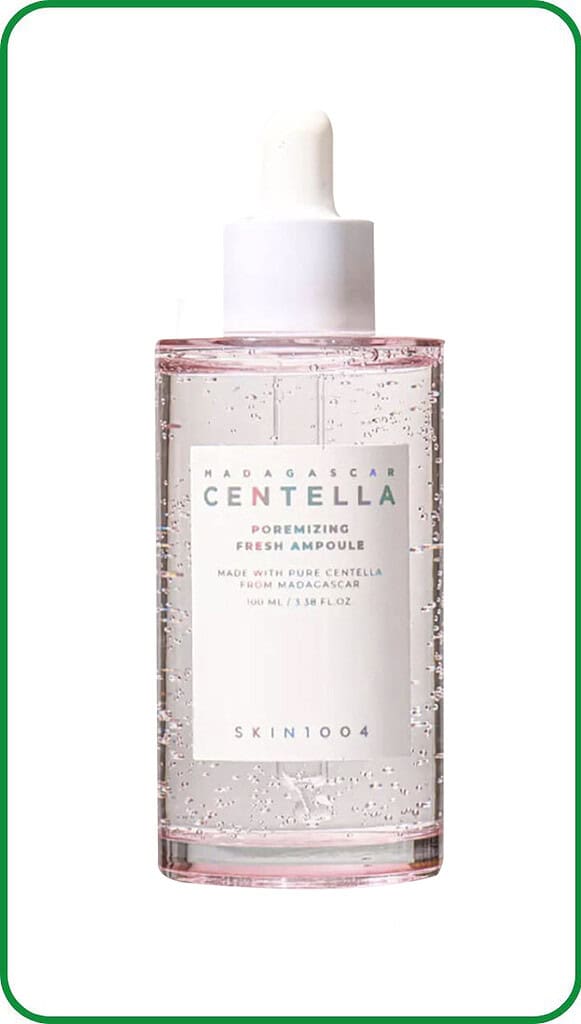
SKIN1004
Madagascar Centella Poremizing Fresh Ampoule 100ml
Tips for Summer Skincare with Aloe and Cica
Here are a few easy tips to get the most out of aloe and cica in your summer skincare routine:
- Keep your aloe vera gel in the fridge for an extra refreshing effect—but if you have sensitive skin, it’s best to store it at room temperature to avoid potential irritation.
- Apply cica-based serums or creams at night to maximize overnight skin recovery..
- If your skin feels particularly sensitive, avoid harsh exfoliants or scrubs and let aloe or cica do the calming work.
- Always finish with sunscreen during the day. Even the best soothing skincare ingredients can’t protect you from UV damage!
The Skincare Secret to Beating Summer Stress
In the quest for Korean summer skincare, both aloe vera and cica offer unique benefits that stand out as essential soothing ingredients. By incorporating these ingredients into your routine, you can tackle summer-specific challenges and keep your skin healthy and radiant all season long. Remember, the secret to great skincare lies in understanding your skin and finding the right balance between hydration and repair. So, as you soak up the sunny days ahead, don’t forget to pamper your skin with the care it deserves. With the right approach, achieving healthy, glowing skin all summer long is absolutely possible!
Product links lead to YesStyle and Olive Young Global
Extra 2 – 5% off at YesStyle using the code 👉 YUHEE10
Get 5% off at Olive Young Global with our code 👉 OEB10OY