Skincare trends come and go, but some techniques stick around because they actually work. Skin flooding and slugging are two methods that have gained attention across social media, but when used correctly, they are far more than trends. They are deeply effective hydration strategies, especially for skin over 30, 40, and beyond.
Mature skin naturally loses both water and oil as it ages. That means dullness appears faster, fine lines settle more easily, and actives like retinol can feel more irritating. The solution is not always stronger products. Sometimes it is smarter layering.
Let’s break down what skin flooding and slugging really are, who they benefit most, and how to do them correctly using a Korean skincare approach.
The shopping links may be affiliate links, which means we earn a small commission at no extra cost to you. We only recommend products we truly believe in to support your skincare journey. If you’d like to support us, please shop through the links on this page. Thank you so much! with 💚from Yuhee (founder) and the OEB team xx
What Is Skin Flooding?
The Hydration Layering Method
Skin flooding is a layering technique designed to intensely hydrate the skin by keeping it damp throughout your routine. Instead of applying products onto dry skin, hydration is continuously reinforced between each step, typically using a toner or mist.
Think of the difference between a fresh grape and a raisin. The grape is plump, smooth, and hydrated. The raisin is dry and shriveled. Mature skin thrives when it resembles the grape.
When skin is properly hydrated:
- Fine lines appear softer
- Actives absorb more effectively
- Barrier function improves
- Oil production becomes more balanced
Yes, even oily skin benefits. When oily skin is dehydrated, it produces even more oil to compensate. Proper hydration can actually help regulate that imbalance.
The OEB Method: How to Do Skin Flooding Properly Step by Step
Skin flooding works best when layered within a structured routine:
- Gentle cleansing
- Hydration
- Actives
- Seal with nourishment
Let’s walk through each step.
Step 1: Gentle Cleansing
Start with a non-stripping cleanser with a low pH level of between 4.5 – 5.5 that maintains hydration. Make sure to wash with lukewarm water and avoid over-cleansing.
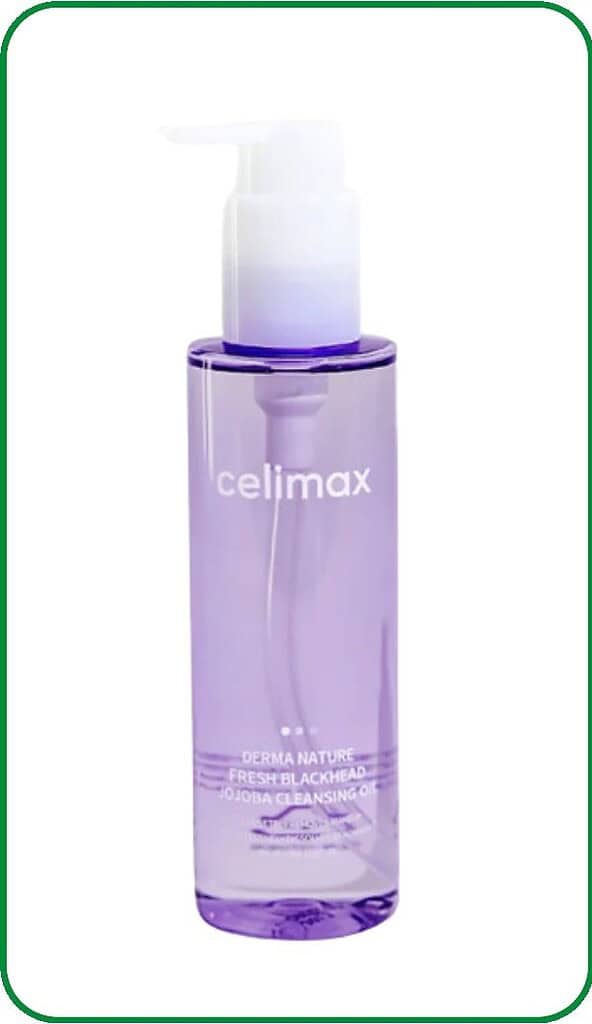
Celimax
Derma Nature Fresh Blackhead Jojoba Cleansing Oil
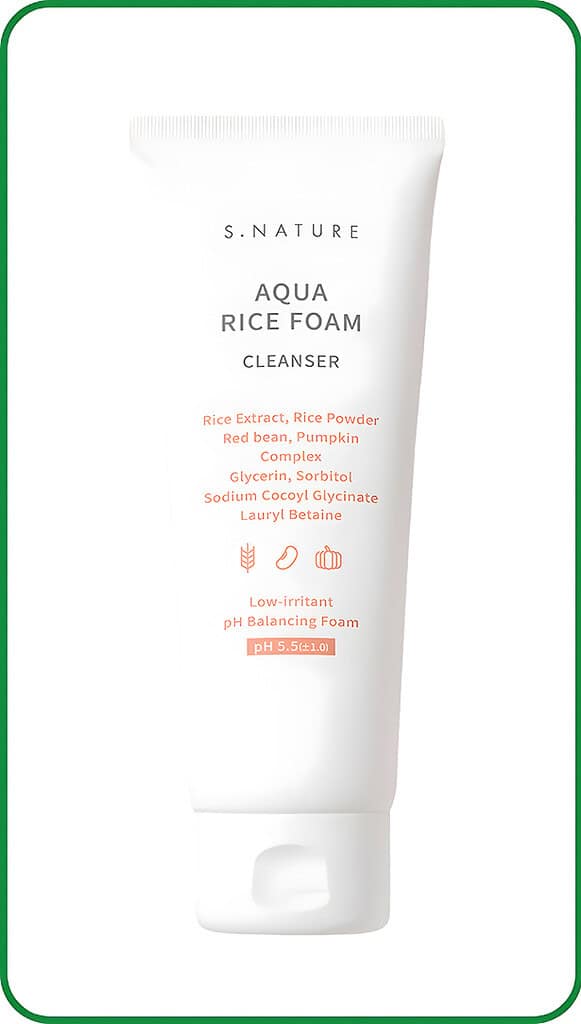
S.NATURE
Aqua Rice Foam Cleanser
Step 2: Hydration, The Flooding Begins
Hydration starts at the toner step.
A regular toner or mist works perfectly, but bubble toners are especially effective because they evenly distribute product while maintaining surface moisture.
Options include:
- APLB Glutathione Niacinamide Mist Essence
- CELORABY PDRN Collagen Bubble Toner / Serum
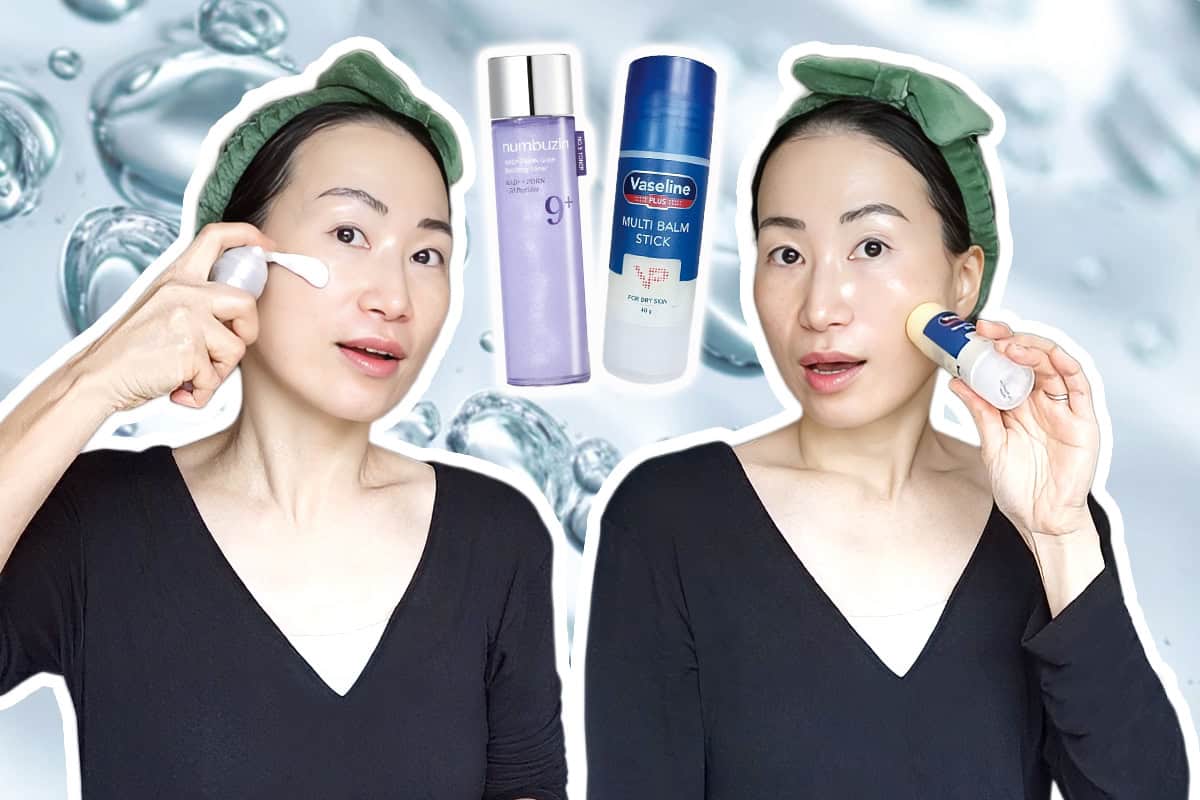
- Numbuzin No.9 NAD+ PDRN Glow Boosting Toner
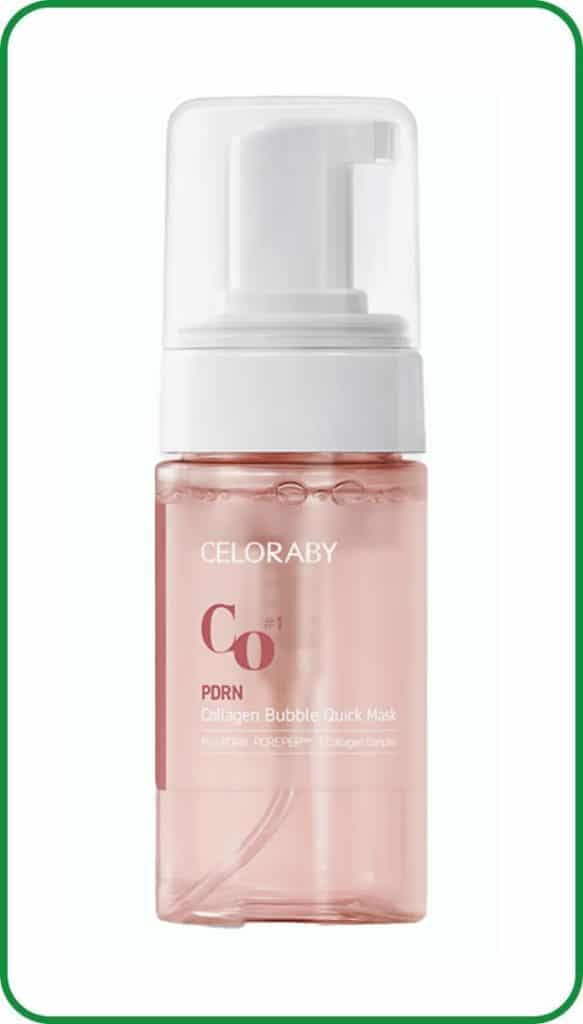
CELORABY
PDRN Collagen Bubble Toner / Serum
If you don’t have a bubble toner, you can create one using a bubble pump bottle. Slightly denser toners work best for this method.
Apply toner generously. Tap it in. Do not let the skin fully dry before moving on.
Check out this video to see how Yuhee turns this regular numbuzin no.9 toner into a bubble toner.
Step 3: Deep Hydration with Serum
While skin is still slightly damp, apply a deeply hydrating serum or ampoule.
One standout example is:
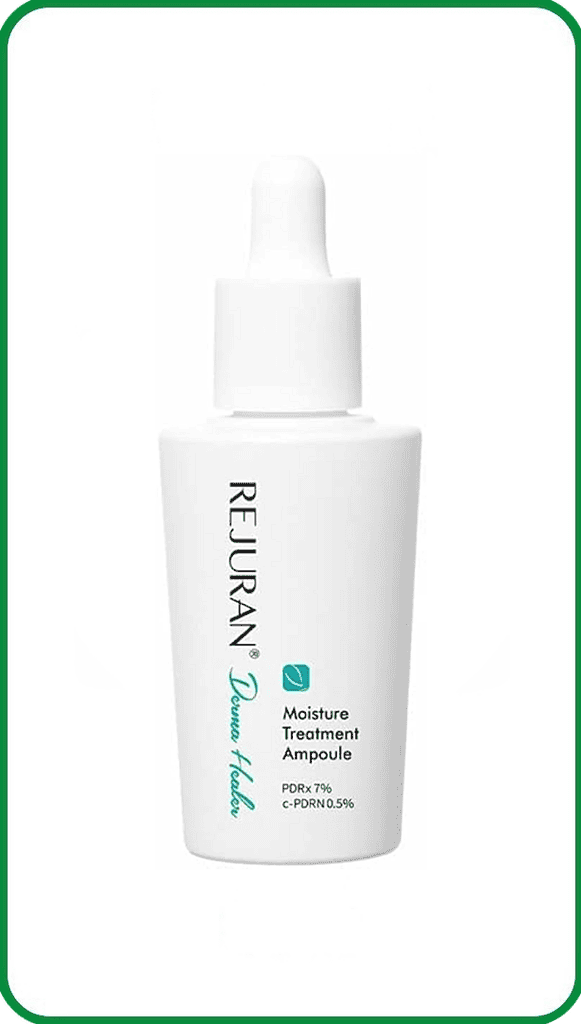
Rejuran
Moisture Treatment Ampoule
Formulated with PDRx and hydrolyzed PDRN, plus squalane and ceramides, this type of ampoule enhances hydration retention and strengthens the barrier.
Before it fully dries, reapply a light layer of toner again. This is the “flooding” principle: layering hydration between steps.
Step 4: Actives
Spray the bubble toner again here before applying on the actives. This is the key method to skin flooding, continuing with the skin hydration so that it tolerates actives better. A multitasking option such as:
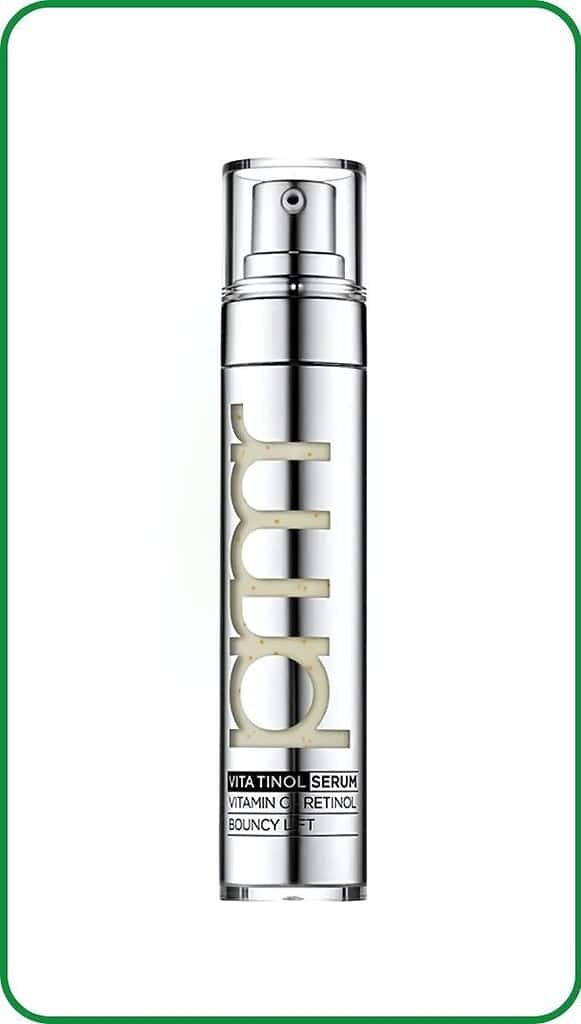
Primera
Vitatinol Bouncy Lift Serum
This serum combines Vitamin C and retinol in one formula. Antioxidants reduce oxidative stress, which accelerates aging, while retinol supports collagen production. Because skin is already damp and hydrated, actives penetrate more effectively without excessive irritation.
Step 5: Seal with Nourishment
Skin flooding continues here. Spray the bubble toner again before applying your nourishment, moisturizer. The key is to hydrate once more, then lock everything in with a barrier-supporting cream. Our top barrier cream pick infused with well-aging ingredients is
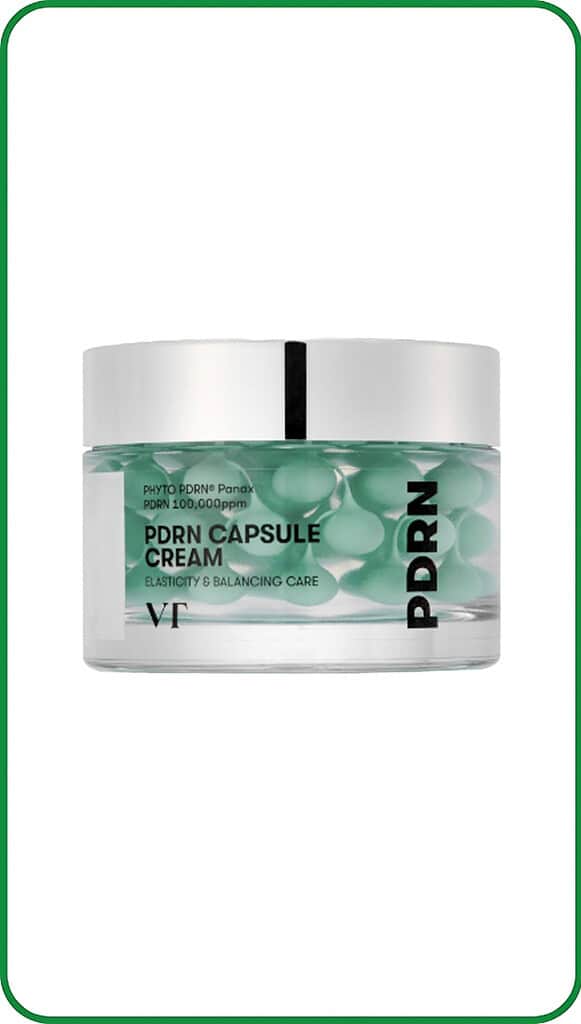
VT
PDRN Capsule Cream
This cream contains high-concentration ginseng-derived PDRN to support skin regeneration and elasticity, ceramide with fatty acids to strengthen and repair the skin barrier, squalane and shea butter to deeply nourish and prevent moisture loss, panthenol to soothe and calm irritation, niacinamide to brighten and improve uneven tone, multiple hyaluronic acids to deliver multi-level hydration, and peptides to support collagen production and improve firmness over time. These ingredients work synergistically to support barrier recovery and regeneration.
For extremely dry skin, adding a drop of jojoba oil into your moisturizer can significantly improve comfort and reduce transepidermal water loss.
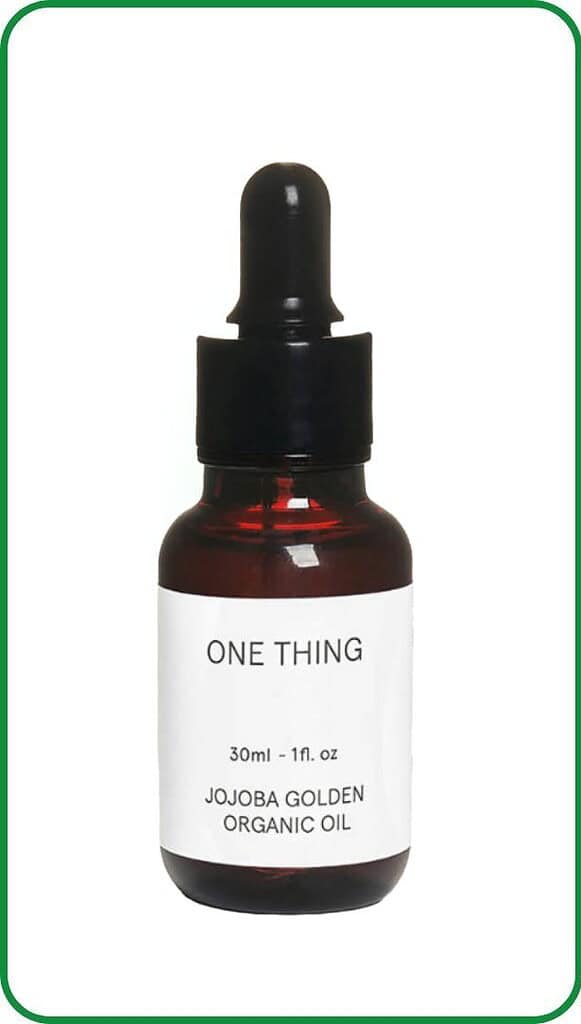
One Thing
Jojoba Golden Organic Oil
At this stage, skin should already feel plump and hydrated. But if dryness persists, especially in winter or the season transition period, there’s one more method.
What Is Skin Slugging?
The Occlusive Seal
Skin slugging is the final step, usually done at night. It involves applying a thick occlusive layer to seal in all the hydration beneath.
The most classic product for this is Vaseline, whose main ingredient is petrolatum.
Skin benefits of Petrolatum:
- Forms a protective occlusive barrier
- Is non-comedogenic
- Prevents moisture loss
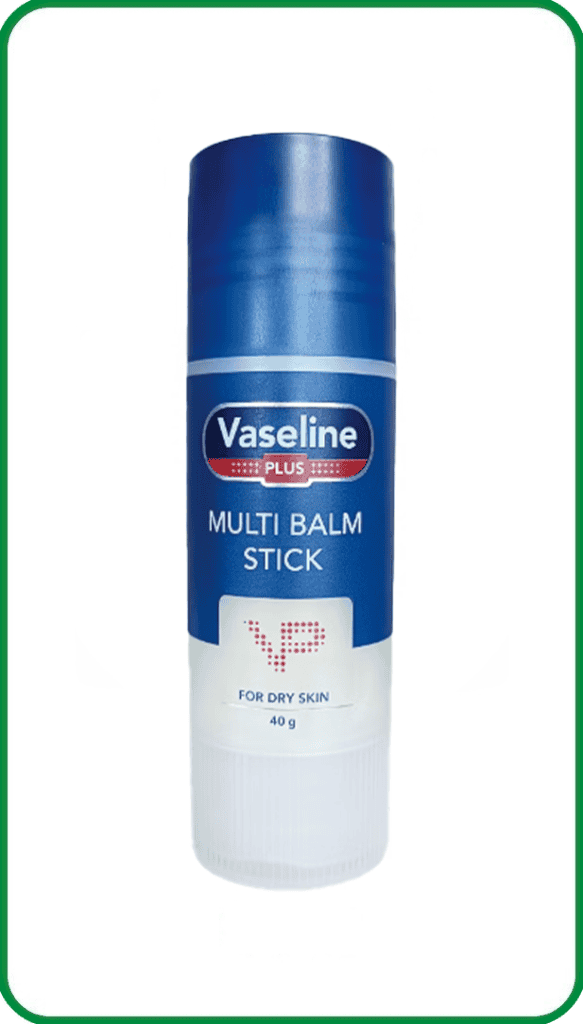
Vaseline Plus
Multi Balm Stick
Slugging does not hydrate by itself. It locks in what you have already applied.
Who Should Slug?
Best for:
- Dry skin
- Mature skin
- Dehydrated winter skin
- Skin with compromised barrier
Caution for:
- Very oily or acne-prone skin (use thinner layers or gel-based occlusives)
A convenient option is a Vaseline balm stick, which allows thin, controlled application, especially around dry zones like smile lines and under-eyes.
Apply a thin layer as the final step.The next morning, skin often feels noticeably softer, plumper, and less tight.
Skin Flooding vs Slugging: Which Should You Try?
Skin flooding enhances hydration absorption.
Skin slugging seals hydration in effectively.
They are not competing methods. They work beautifully together, especially in winter or for dry mature skin.
If skin feels tight and dehydrated → start with skin flooding.
If skin loses moisture overnight → add slugging.
For oily skin, flooding alone may be sufficient.
For dry or mature skin, combining both can be transformative.
Final Thoughts
Healthy, well-aging skin is not about using the strongest actives. It is about building a strong hydration foundation and protecting it.
Skin flooding keeps the skin damp, plump, and receptive.
Skin slugging locks everything in and prevents moisture escape.
Together, they create the kind of deep hydration that makes mature skin look smoother, brighter, and more resilient.
The real question is not whether they work.
It’s whether your skin is ready to be that hydrated.
Product links lead to YesStyle and Olive Young Global
Extra 2 – 5% off at YesStyle using the code 👉 YUHEE10
Get 5% off at Olive Young Global with our code 👉 OEB10OY
Why You Can Trust OEB (One Eye Beauty): At OEB, we don’t just share skincare. We deep-dive, fact-check, and ingredient-decode every recommendation with intensive research and science-backed analysis. All of this is guided by Yuhee’s expertise as a certified well-aging skincare coach, committed to helping your skin glow at every age. Yes, we use affiliate links, but our opinions are never for sale. Because no matter what, your skin comes first. Always.