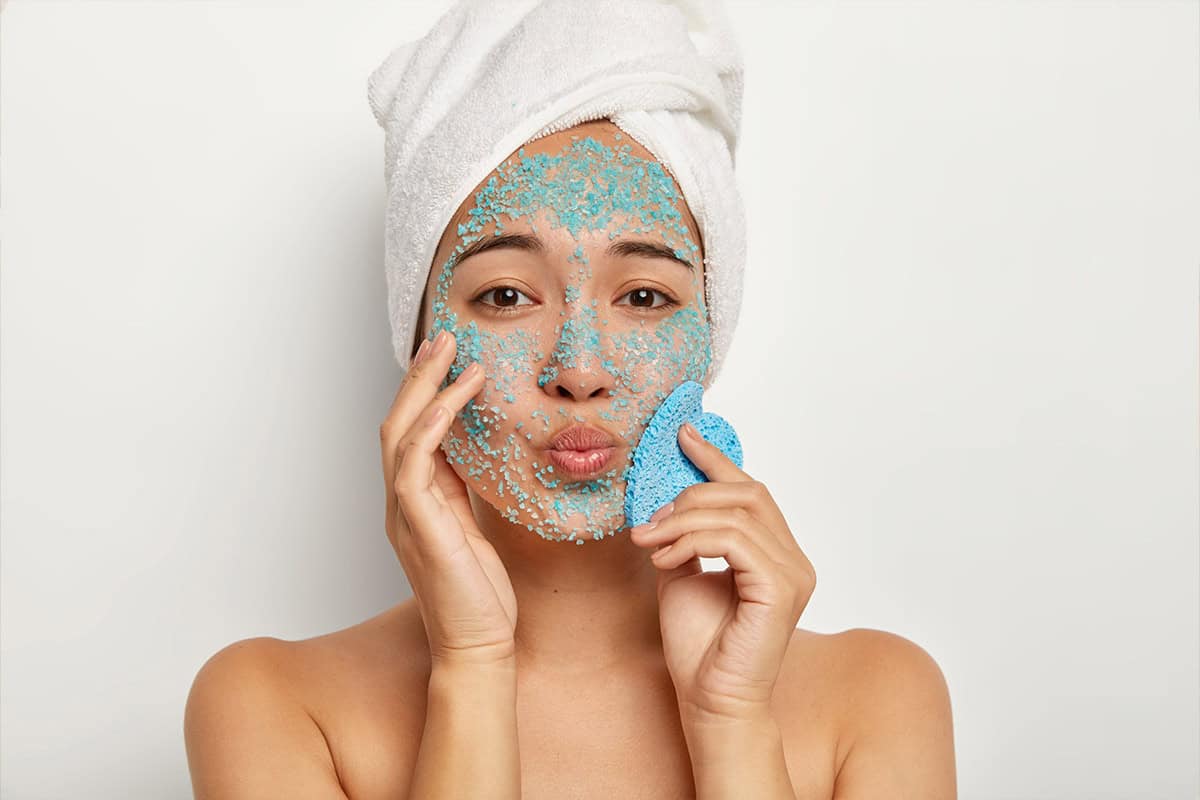
Exfoliation is one of those skincare steps that can completely transform your skin—when done right. But just because it makes your skin feel smoother and look brighter doesn’t mean more is always better. The real question is: should you exfoliate your face every day? The answer depends on your skin type, age, exfoliant choice, and your skin’s reaction.
The shopping links may be affiliate links, which means we earn a small commission at no extra cost to you. We only recommend products we truly believe in to support your skincare journey. If you’d like to support us, please shop through the links on this page. Thank you so much! with 💚from Yuhee (founder) and the OEB team xx
Why Exfoliation Matters?
Your skin naturally sheds dead skin cells every 28-day cycle, but as we age or due to factors like sun damage, dry weather, or certain skin conditions, this process slows down. When dead skin cells build up, they can cause:
- Dullness
- Clogged pores and breakouts
- Uneven skin tone and texture
- Damaged skin barrier
- Flaky patches
Exfoliation helps speed up cell turnover by physically or chemically removing dead skin cells, revealing fresher, smoother skin. It also enhances the absorption of serums and moisturizers, allowing your skincare to work more effectively.
Types of Exfoliation
Before we discuss how often you should exfoliate your face, it’s important to know the two main types of exfoliation:
Physical Exfoliation
This involves using a scrub, brush, or textured pad to remove dead skin cells manually. While it can feel instantly smoothing, it can be too harsh for sensitive or mature skin, as it may cause micro-tears and irritation. Physical exfoliation is best suited for younger skin, which regenerates more quickly and can better tolerate the friction. For mature skin, where cell turnover naturally slows down, this type of exfoliant is NOT recommended.
If you’re already active with ingredients like retinol, keep in mind that they also encourage exfoliation by speeding up cell turnover. In other words, your skin is already shedding dead cells, so there’s no need to overdo it. In this case, it’s best to use a gentle exfoliant just 2–3 times a week, and only if your skin barrier feels strong and healthy. If your barrier is compromised or extra sensitive, skip exfoliation until your skin recovers.
💡 Yuhee’s Tip: If you love the satisfying feeling of a scrub, choose one with fine, skin-friendly particles like rice or green tea powder instead of large, rough grains. And remember, retinol is already a built-in exfoliator! Balance it with hydrating and soothing products to maintain your glow without irritation.
Yuhee’s Physical Exfoliant Recommendation:
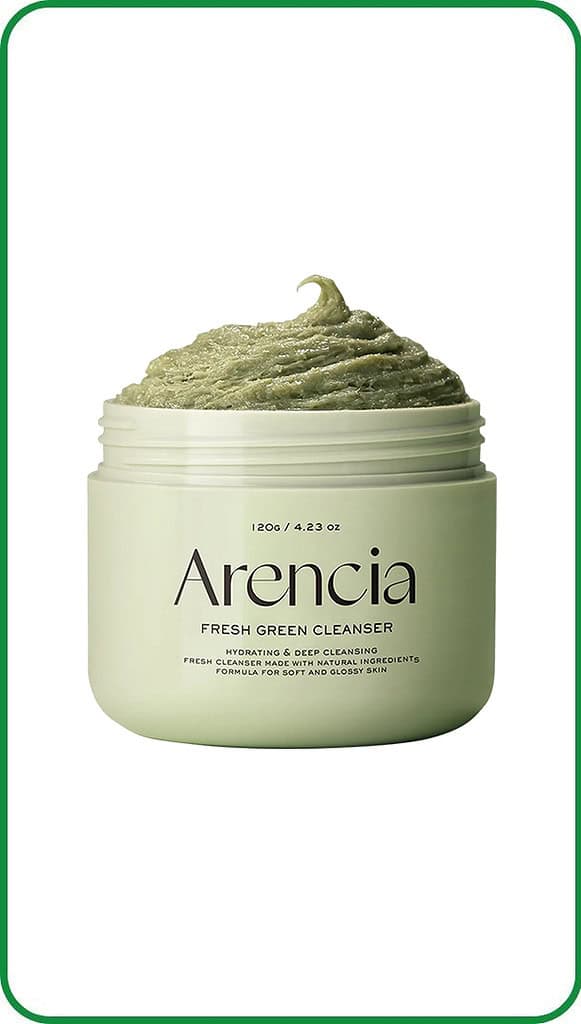
Arencia
Fresh Green Rice Mochi Cleanser 120g
Chemical Exfoliation
Chemical exfoliants use active ingredients AHAs, BHAs, or PHAs to dissolve dead skin cells without physical friction. These can be gentler and more effective, especially for mature skin or for those targeting pigmentation or congested pores.
- AHAs (like glycolic acid): Work on the surface for a radiant glow; best for dry or aging skin
- BHAs (like salicylic acid): Penetrate pores, making them great for oily or acne-prone skin
- PHAs: A gentler alternative, ideal for sensitive skin
💡 Yuhee’s Tip: New to acids? Start with PHA—it’s beginner-friendly and less likely to cause irritation.
Yuhee’s Recommendation with PHA:
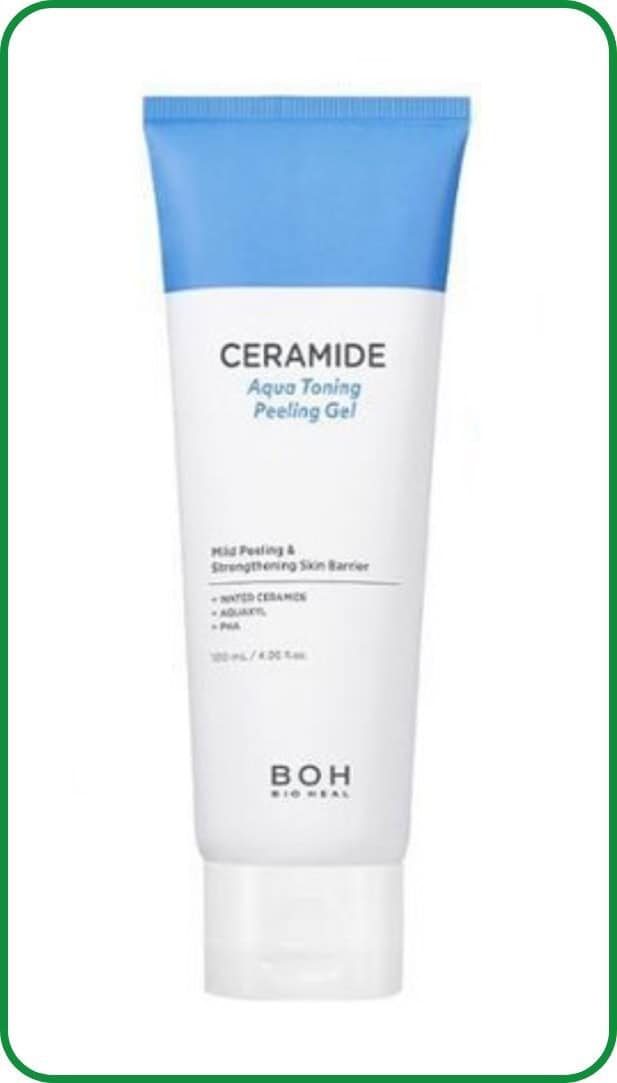
BIOHEAL
BOH Ceramide Aqua Toning Peeling Gel
Other Active Ingredients in Your Routine
When layering exfoliation with other actives like retinol, vitamin C, or stronger acids, balance is key. These ingredients can all make your skin more sensitive, so avoid using them on the same night. Instead, alternate your routine—reserve certain days for exfoliation and others for nourishing or repairing actives.
💡 Yuhee’s Tip: Try a simple rotation: one night retinol, one night exfoliation, and one night for hydration/repair. This rhythm keeps your skin glowing without overwhelming it.
How Often Should You Exfoliate Your Face?
Here’s the short answer: most people benefit from exfoliating 1 to 3 times per week. Doing it daily can lead to over-exfoliation, weakening the skin barrier and causing redness, irritation, or heightened sensitivity.
However, the frequency depends on:
1. Skin Type:
- Oily skin may tolerate more frequent exfoliation.
- Dry, sensitive or mature skin should be exfoliated less often.
2. Type of Exfoliant:
- Strong chemical exfoliants should be used sparingly.
- Gentle enzyme-based exfoliants can sometimes be used more frequently and they are most recommended for mature skin.
Yuhee’s Top Enzyme Exfoliant Recommendation:
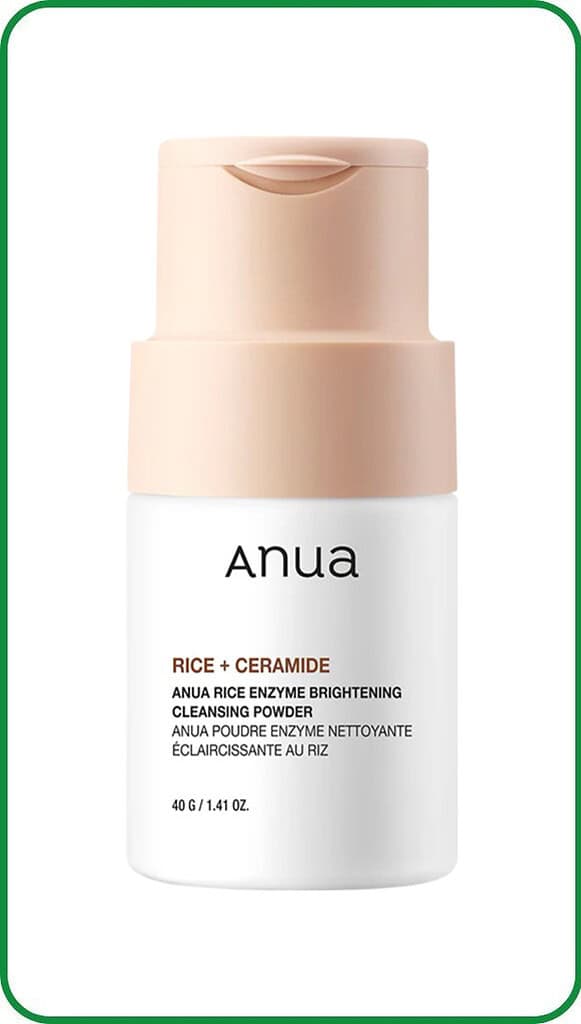
Anua
Rice Enzyme Brightening Cleansing Powder 40g
When to Exfoliate Face in Your Routine?
If you’re wondering when to exfoliate your face, the ideal time is usually after cleansing and before applying toner or serums. You can also incorporate exfoliation into your cleansing routine by using a cleansing foam with exfoliating ingredients such as AHA, BHA or PHA when double cleansing.
This ensures your skin is clean so the exfoliant can work effectively without interference from makeup, sunscreen, or dirt. Or you could use toner pads with gentle exfoliating ingredients and gently dab them on your face, or leave them on for about 5 minutes as a toner pad mask to exfoliate and soothe the skin at the same time.
For most people, exfoliating at night is ideal—it gives your skin time to recover while you sleep and reduces the risk of sun sensitivity afterwards.
Yuhee’s Exfoliating Toner Pad Recommendation:
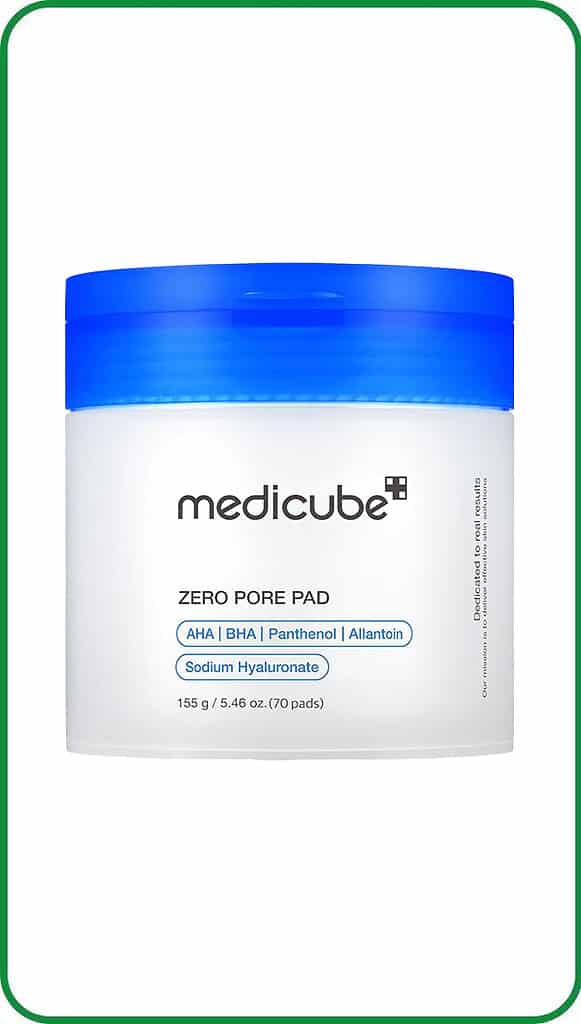
medicube
Zero Pore Pad 2.0 70P
The Best Way to Exfoliate Face
The most effective approach is to pick an exfoliation method and product suited to your skin type, then apply it with a light touch and steady routine—never harshly.
For Physical Exfoliation:
- Use light pressure and small, circular motions.
- Avoid scrubs with large, jagged particles (like crushed walnut shells).
For Chemical Exfoliation:
- Start slow, once a week and increase as your skin tolerates it. Even after adjusting, try not to go beyond 3 to 4 times a week. For mature skin especially, limit it to no more than 3 times a week.
- Apply evenly across the face, avoiding the eye area.
- Do not layer with other potent actives on the same day unless your dermatologist advises it.
Always finish with hydrating products like serums and moisturizers to strengthen your skin barrier.
Signs You’re Over-Exfoliating
If you exfoliate too often, your skin will let you know. Look out for:
- Persistent redness or flushing
- Tightness or stinging after applying skincare
- More frequent breakouts
- Increased sensitivity to skincare products or sunlight
When these signs appear, pause exfoliation and focus on barrier-repairing products until your skin feels balanced again.
Can Some People Exfoliate Daily?
In rare cases, people with very oily, thickened skin may tolerate gentle daily exfoliation—but only under dermatologist guidance. For most people, daily exfoliation is unnecessary and may cause more harm than good.
Safety Tips for Exfoliation
- Patch test new products before applying them to your whole face.
- Avoid combining too many exfoliating products in one routine.
- Always wear sunscreen after exfoliating, as your skin will be more sensitive to UV damage.
- If unsure about the right method or frequency, consult a dermatologist.
Let Your Skin Breathe Again
Healthy skin is built on balance, not extremes. When you exfoliate thoughtfully, choosing the right method, at the right frequency, you give your skin room to renew naturally. Done right, exfoliation is like lifting a veil, revealing the smooth, confident version of you that’s been there all along. Glowing skin is just a few gentle swipes away. You’ve got this!
Product links lead to YesStyle and Olive Young Global
Extra 2 – 5% off at YesStyle using the code 👉 YUHEE10
Get 5% off at Olive Young Global with our code 👉 OEB10OY